
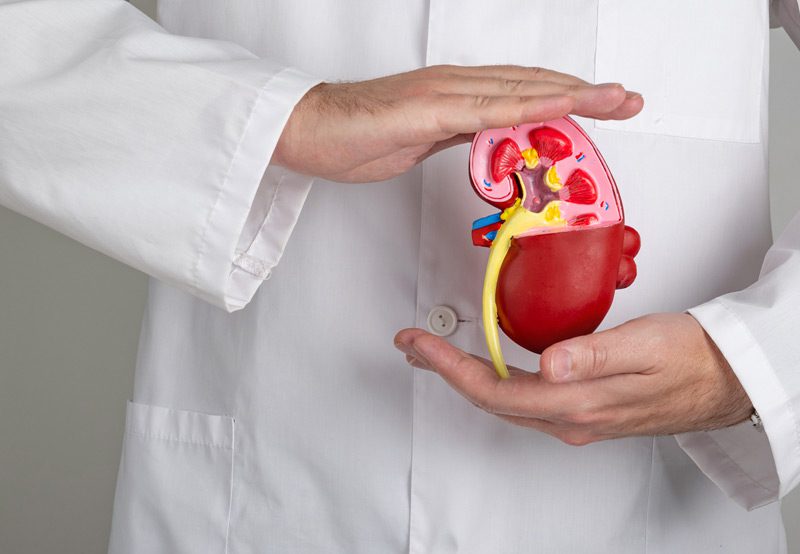
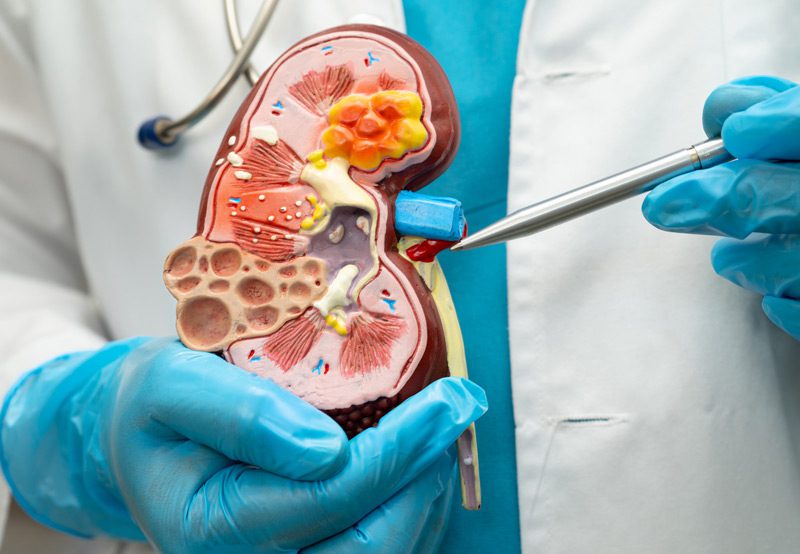
A radical nephrectomy is the surgical removal of an entire kidney, typically performed to treat kidney cancer or complex kidney conditions that compromise the organ’s function or pose a threat to surrounding structures. This procedure may also include removal of the surrounding fatty tissue, adrenal gland, and regional lymph nodes if cancer is suspected or confirmed.
When Is Radical Nephrectomy Recommended?
Radical nephrectomy is generally considered in cases where the kidney is affected by:
- Kidney Cancer: Especially large or invasive tumors that cannot be treated with partial nephrectomy
- Poorly Functioning Kidneys: A nonfunctioning kidney that is causing pain or recurrent infections
- Massive Trauma or Infection: Situations in which the kidney has been severely damaged
- Spread of Cancer: When adjacent structures or lymph nodes show evidence of tumor involvement

Diagnosis and Preoperative Evaluation
- Imaging: CT scans, MRIs, or ultrasounds are used to evaluate the tumor’s size, location, and spread
- Blood and Urine Tests: Assess kidney function and detect signs of systemic involvement
- Biopsy (in some cases): Helps determine the nature of a renal mass
- Staging Workup: If cancer is confirmed, staging determines how far the disease has progressed
The Radical Nephrectomy Procedure
Radical nephrectomy can be performed using different surgical approaches:
- Open Surgery: Involves a single larger incision, usually along the side or abdomen
- Laparoscopic Surgery: Uses small incisions and long instruments to remove the kidney
- Robotic-Assisted Laparoscopy: Offers enhanced precision and visualization with robotic technology
During the procedure:
- The kidney is carefully separated from surrounding blood vessels, ureter, and tissue
- The adrenal gland and nearby lymph nodes may be removed depending on tumor location and size
- The kidney is extracted intact through one of the incision sites
- A drain may be placed temporarily to help remove fluid from the surgical site
Recovery and Prognosis
- Hospital Stay: Most patients remain hospitalized for 2–4 days, depending on the surgical approach
- Pain Management: Managed with oral or intravenous medications, usually tapering quickly
- Activity: Light walking is encouraged soon after surgery; full activity may resume in 4–6 weeks
- Follow-Up: Regular imaging and lab tests monitor the remaining kidney’s function and check for cancer recurrence if applicable
Risks and Considerations
As with any major surgery, radical nephrectomy carries some risks, including:
- Bleeding, infection, or injury to surrounding organs
- Blood clots or anesthesia-related complications
- Reduced kidney function, particularly if the remaining kidney is not fully healthy
Next Steps
If you’ve been diagnosed with a kidney tumor or other condition requiring kidney removal, a urologic surgeon will review imaging, kidney function, and overall health to determine whether radical nephrectomy is the best course of action. A personalized treatment plan will take into account both cancer control and preservation of long-term kidney health.